Stretching Exercises for Pain-Free Living
December 4, 2025
How to Prevent Common Physical Injuries: A Complete Guide
December 4, 2025
Working out is fantastic for your body, whether your goal is building strength, losing weight, or improving overall health. But one part that often gets overlooked is muscle recovery. When you exercise, especially during strength training or high-intensity workouts, your muscle fibers undergo tiny tears. This is completely normal — it’s part of how muscles grow and get stronger. However, if you don’t allow your muscles to recover properly, you might face prolonged soreness, fatigue, or even injuries.
The good news? There are several proven strategies to help your muscles recover faster and get you back in the gym feeling strong and ready. Let’s dive in.
1. Prioritize Proper Nutrition
Your muscles need the right fuel to repair themselves. After a workout, your body requires protein, carbohydrates, and essential nutrients:
- Protein: This is the building block of muscles. Include lean protein sources like chicken, fish, eggs, tofu, or Greek yogurt in your post-workout meals. Aim for 20-30 grams of protein after your session.
- Carbohydrates: Carbs replenish the glycogen stores in your muscles that get depleted during exercise. Healthy carbs include oats, sweet potatoes, brown rice, and whole-grain bread.
- Healthy Fats: Omega-3 fatty acids found in fish, flaxseeds, and walnuts can help reduce inflammation and support recovery.
- Hydration: Water is crucial for muscle function. Drink plenty of water before, during, and after workouts. Electrolyte-rich drinks can be helpful after long or intense sessions.
Tip: Try to eat a balanced meal within 1-2 hours post-workout to maximize recovery.
2. Get Enough Quality Sleep
Sleep is one of the most underrated recovery tools. During deep sleep, your body releases growth hormone, which is essential for muscle repair and growth.
- Aim for 7-9 hours of quality sleep every night.
- Establish a sleep routine, going to bed and waking up at the same time.
- Reduce screen time and bright lights before bed to improve sleep quality.
Without proper sleep, your muscles won’t repair efficiently, and your performance in the gym can decline.
3. Incorporate Active Recovery
Active recovery involves low-intensity exercises that keep your blood flowing and help muscles repair faster. Examples include:
- Walking or light jogging
- Swimming or cycling at an easy pace
- Gentle stretching or yoga
Active recovery increases blood circulation, delivering more oxygen and nutrients to sore muscles, which speeds up healing. Even 10-20 minutes of light activity can make a difference.
4. Use Stretching and Foam Rolling
After intense workouts, your muscles may feel tight. Stretching and foam rolling help:
- Reduce muscle stiffness
- Improve flexibility
- Enhance blood flow to damaged tissues
How to do it:
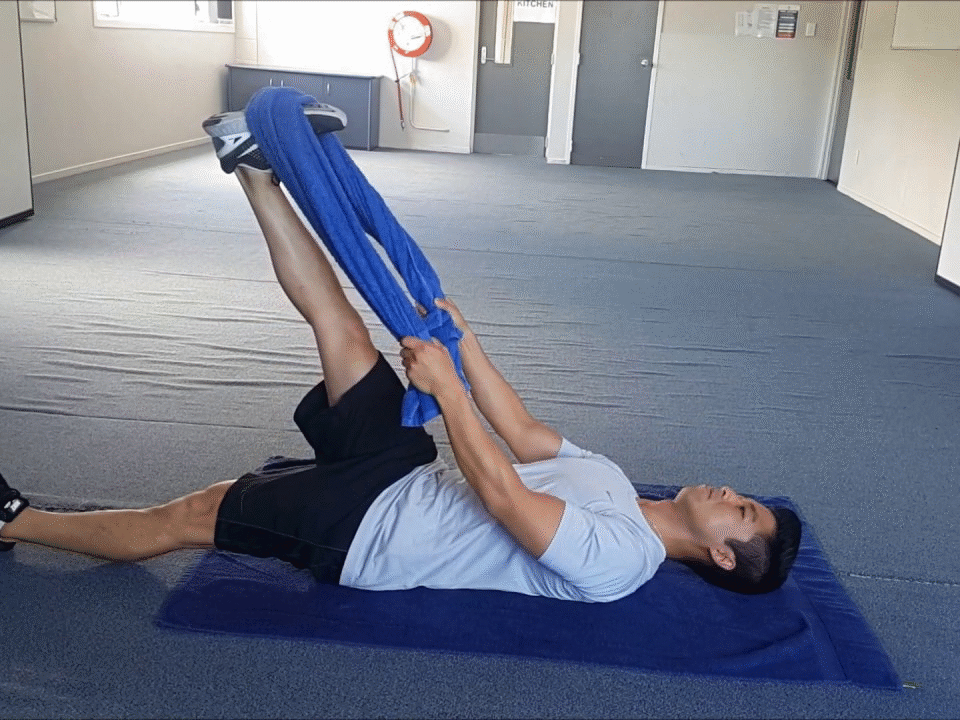
- Hold static stretches for 20-30 seconds per muscle group.
- Use a foam roller on sore areas for 1-2 minutes each.
- Focus on major muscle groups like quads, hamstrings, back, and shoulders.
Regular stretching and foam rolling can help prevent injuries and reduce delayed onset muscle soreness (DOMS).
5. Consider Cold and Heat Therapy
Temperature-based therapies can help reduce inflammation and accelerate recovery:
- Ice baths or cold showers: Help reduce swelling and muscle soreness after very intense workouts.
- Heat therapy: Warm baths, heating pads, or saunas can relax tight muscles and improve blood flow.
Some athletes alternate cold and hot therapy for maximum recovery benefits.
6. Stay Consistent with Recovery Days
Rest is as important as the workout itself. Muscles need time to rebuild stronger.
- Avoid training the same muscle groups on consecutive days.
- Schedule 1-2 full rest days per week or alternate muscle groups during workouts.
- Listen to your body — prolonged soreness or fatigue is a sign that you need more recovery.
Remember, overtraining can lead to injuries and setbacks, so recovery should be part of your fitness plan.
7. Use Supplements Wisely
While a balanced diet is enough for most people, some supplements can help support muscle recovery:
- Protein powder: Whey, casein, or plant-based protein can help meet your daily protein needs.
- Branched-chain amino acids (BCAAs): Can help reduce muscle soreness and aid repair.
- Creatine: Supports energy production and muscle recovery.
- Omega-3 fatty acids: Reduce inflammation and support joint health.
Always consult a healthcare professional before starting any new supplement.
8. Listen to Your Body
One of the simplest ways to recover faster is to pay attention to your body’s signals.
- Persistent soreness may indicate you need more rest or lighter workouts.
- Sharp pain is a warning sign — avoid pushing through injuries.
- Tracking your workouts and recovery patterns can help you optimize your routine for better results.
9. Mind Your Stress Levels
High stress slows down recovery because it increases cortisol, a hormone that can break down muscle tissue.
- Practice relaxation techniques like meditation, deep breathing, or mindfulness.
- Engage in hobbies or activities that help you unwind.
Lower stress = faster muscle repair and overall better health.
Conclusion
Muscle recovery is a vital part of any fitness journey. By focusing on proper nutrition, hydration, sleep, active recovery, stretching, temperature therapies, rest, supplements, and stress management, you can recover faster, reduce soreness, and prevent injuries. Remember, muscles grow not during workouts but during recovery, so don’t skip this step. Treat your body well, and it will reward you with strength, endurance, and improved performance.
FAQs About Muscle Recovery
1. How long does it take for muscles to recover after a workout?
Muscle recovery can vary depending on workout intensity and your fitness level. Typically, mild soreness lasts 24-48 hours, while more intense workouts may require 48-72 hours.
2. Can I speed up recovery with protein shakes?
Yes, protein shakes provide your muscles with essential amino acids to repair and grow. Having one after workouts can support faster recovery, but it should complement a balanced diet.
3. Does stretching before workouts prevent soreness?
Dynamic stretching before workouts improves mobility and reduces injury risk. However, static stretching after workouts is more effective at reducing soreness and improving flexibility.
4. Is rest really necessary, or can I work out every day?
Rest is crucial. Overtraining can lead to fatigue, injuries, and slower progress. Schedule rest or light active recovery days to allow muscles to rebuild.
5. Will ice baths make me stronger faster?
Ice baths reduce inflammation and soreness, helping you feel better after intense workouts. However, they don’t directly increase strength — recovery, proper training, and nutrition do that.