
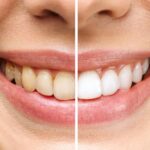
The Role of Teeth Whitening in Enhancing Your Smile
March 10, 2026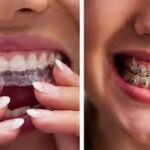
Enhancing Smiles with Invisalign Treatments
March 11, 2026
Dental implants are designed to provide a long-term solution for missing teeth while supporting function, appearance, and overall oral health. Their longevity can depend on several factors, including oral hygiene habits and routine dental care. Here are some fundamental things to know about the longevity and care of implants:
Protecting Implant Longevity
Several factors can affect how long dental implants remain secure in your mouth. Your dentist will evaluate these factors before the surgery, and you will learn how to protect your new teeth at home. Here are some of them:
- Bone density determines if the titanium root can anchor firmly into your jaw.
- Oral hygiene habits dictate the health of the gum tissue surrounding the artificial crown.
- Smoking restricts blood flow in the mouth, which slows the healing process.
- Pre-existing medical conditions like diabetes can alter how quickly your body heals after surgery.
Monitoring these factors is a helpful way to protect your surgical site. Your dentist will guide you through the healing phase and provide you with care instructions.
Maintaining Daily Implant Care
Daily cleaning is a key part of maintaining your dental implants. You should brush your teeth twice a day and use a soft-bristle toothbrush to avoid scratching the crown. When you clean the artificial tooth, you remove food particles that may otherwise attract harmful bacteria.
Flossing is another helpful practice for protecting the gum tissue around the titanium root. Use standard dental floss or a water flosser to remove plaque from hard-to-reach areas. A clean mouth helps prevent an infection called peri-implantitis, which can weaken the bone. Mouthwash provides an extra layer of protection against bacteria; rinse with an antimicrobial mouthwash after brushing to reach spaces that your toothbrush may miss.
Keeping up With Dental Visits
Regular checkups are fundamental to the long-term success of your dental implants. Dentists use specialized tools to examine the titanium root and can detect potential problems early. Here are some of the procedures your dentist may perform during routine visits:
- X-rays allow the dentist to see the bone level around the titanium post.
- Professional cleanings remove hardened plaque that regular brushing leaves behind.
- Bite assessments verify that the artificial crown aligns correctly with your other teeth.
- Tissue exams help the dentist detect early signs of gum inflammation.
Attending these appointments gives your dental team a chance to intervene if issues arise.
Preventing Long-Term Complications
Certain behaviors may place unnecessary stress on your dental implants. Grinding your teeth at night puts intense pressure on the crown, and the force can damage the structure over time. If you grind your teeth, your dentist may recommend a custom mouthguard to protect the restoration while you sleep.
Chewing on hard objects can also break the artificial crown. You should avoid biting on ice, pens, or hard candies, because these items can lead to cracks. Maintaining healthy gums is the most helpful strategy for preventing implant failure. Seek prompt attention for signs of bleeding or swelling, as these symptoms often indicate an underlying infection.
Schedule Your Dental Implants Appointment
Dental implants offer a reliable solution for missing teeth. You can extend the life of your tooth implants by practicing good daily hygiene and attending regular professional cleanings. The titanium root provides lasting stability, but you must actively protect the surrounding gums and bone. Contact a skilled dentist near you to schedule your appointment for dental implants today.
- Exploring Therapeutic Approaches to Enhance Emotional Well-Being
- Exploring the Benefits of Regular Massages
- Full Mouth Dental Implants: A Comprehensive Guide to Restoring Your Smile
- Top 5 Therapy Centers in Albuquerque for Comprehensive Mental Health Care
- Consulting an Asthma Doctor for Personalized Asthma Plans