
Top 5 Therapy Centers in Albuquerque for Comprehensive Mental Health Care
April 21, 2026
Exploring the Benefits of Regular Massages
May 14, 2026Key Takeaways
- Full mouth dental implants offer a permanent solution for extensive tooth loss, enhancing both function and aesthetics.
- Understanding the procedure, candidacy, and aftercare is crucial for successful outcomes.
- Costs and recovery times vary; consulting with a dental professional is essential for personalized information.
Understanding Full Mouth Dental Implants
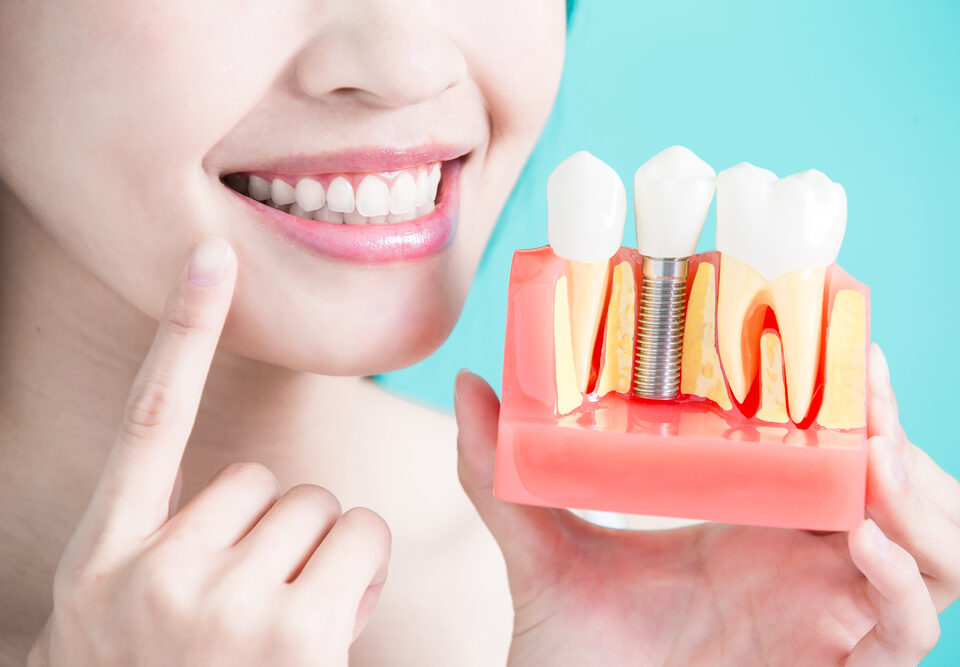
Full-mouth dental implants are a transformative option for individuals with significant tooth loss. Unlike traditional dentures, dental implants provide a permanent and stable foundation for artificial teeth. This advanced dental solution can restore both the appearance and functionality of a natural smile, giving patients renewed confidence to eat, speak, and socialize comfortably.
The primary advantage of dental implants is their ability to mimic the structure and function of natural teeth. The titanium posts used in implants fuse securely with the jawbone, preventing bone shrinkage that commonly occurs when teeth are missing. By integrating with the bone, dental implants also support the facial structure and help prevent the aging appearance often associated with extensive tooth loss.
Unlike removable dentures that may slip or require adhesives, full-mouth dental implants are fixed in place. This fixed solution provides unmatched stability and eliminates the struggle of removing dentures for cleaning or maintenance. With this innovative approach, individuals can enjoy a natural-looking smile that enhances their overall quality of life.
Anyone considering full mouth dental implants should be aware of the advancements in modern implantology. Current techniques and materials have greatly improved the comfort, effectiveness, and longevity of these restorations. Learn more about implant procedures from the American Academy of Implant Dentistry.
Who Is a Candidate for Full Mouth Dental Implants?
Not every patient is a perfect fit for dental implants, but many adults experiencing extensive tooth loss are excellent candidates. The best candidates are those who have lost most or all of their teeth due to decay, periodontal disease, or injury. Essential requirements include sufficient jawbone density to securely anchor the titanium posts, as well as overall health to support healing after surgery. A thorough dental evaluation determines candidacy by assessing medical history, bone condition, and lifestyle habits.
People with chronic conditions like uncontrolled diabetes, heavy smokers, or those undergoing certain medical treatments may face higher risks for complications. Nonetheless, advances in bone grafting and oral health management now allow some individuals with reduced bone mass or other challenges to still pursue full mouth dental implants under expert care.

A willingness and commitment to maintaining excellent oral hygiene and regular dental visits are equally important for long-term implant success. Your dental team will also offer guidance on modifying lifestyle habits, if necessary, to increase the likelihood of a successful outcome.
The Procedure: What to Expect
The process of receiving full mouth dental implants unfolds in several detailed steps to ensure the best possible results:
- Consultation and Planning: During the initial visits, patients undergo a comprehensive evaluation that may include 3D scans, X-rays, and impressions. This step ensures a customized approach tailored to anatomical details and personal needs.
- Implant Placement: In a minor surgical procedure, titanium posts are placed into the jawbone. These posts serve as artificial roots for the new teeth.
- Healing Period: Over the next several months, a natural process called osseointegration occurs, during which the implants fuse to the bone, creating a solid and lasting foundation.
- Abutment Placement: Once healing is complete, connectors (abutments) are attached to the implants. These will eventually hold the new teeth.
- Prosthetic Attachment: Custom prosthetic teeth, such as crowns or bridges, are then securely attached. They are crafted to complement your bite and the aesthetics of your natural facial features.
Every stage is crucial and contributes to the durability and stability of the final result. Your dentist will provide a timeline and guidance for optimal recovery at each step. If you want more detailed insights, the Mayo Clinic provides a thorough explanation of the dental implant procedure.
Benefits of Full Mouth Dental Implants
Choosing full mouth dental implants offers many advantages over traditional alternatives. The most notable benefit is enhanced stability. Implants are firmly anchored, so they will not shift or slip out of place, providing greater confidence during daily activities. This stability also leads to vastly improved oral function, allowing you to eat a wider variety of foods and communicate more clearly.
The stimulation provided by implants prevents bone loss and can even encourage bone regeneration, supporting both health and appearance. In addition, the prosthetic teeth are designed to look just like natural teeth. With the right materials and expert design, they blend seamlessly with your facial features for a natural, youthful smile.
Potential Risks and Considerations
Dental implants carry a high success rate, but all surgical procedures involve some risk. These may include infection at the implant site, insufficient bonding between the bone and the titanium post, or even accidental damage to neighboring teeth or nerves during placement.
Reputable dental professionals go to great lengths to minimize such risks through advanced technology and surgical expertise. Patients can further reduce risks by following post-operative care instructions closely and maintaining scheduled follow-up appointments. Careful dentist selection and thorough consultation help ensure the safest and most reliable results.
Cost and Insurance Considerations
The financial investment in full mouth dental implants varies significantly depending on your location, case complexity, and chosen materials. On average, patients might expect the expenditure per arch to fall within the $20,000 to $45,000 range. While this might sound substantial, the benefits of durability and improved quality of life can make it a cost-effective solution over time.
Most dental insurance plans offer limited coverage for implants, with greater emphasis on conventional dentures. However, experts recommend discussing options thoroughly with your dental provider, as financing plans or special programs are often available to make this valuable treatment more accessible.
Aftercare and Maintenance
Exceptional care is essential following implant installation to ensure longevity. Brush and floss daily to keep implants and the surrounding gum tissue healthy. Schedule routine dental cleanings and checkups every six months. Avoid chewing on hard substances, such as ice or non-food items, which can damage both natural and artificial teeth.
Avoiding smoking and reducing alcohol intake are lifestyle changes that can also help preserve oral health and implant integrity. With diligent care and routine professional support, full mouth dental implants can last for decades or even a lifetime.
Conclusion
Full mouth dental implants represent a permanent, functional, and natural-looking solution for those coping with significant tooth loss. Understanding candidacy requirements, the procedural stages, risks, and aftercare measures helps individuals make empowered decisions about their dental health. Consulting with a knowledgeable dental professional is the most effective way to begin your journey back to a confident, healthy smile.
- Exploring Therapeutic Approaches to Enhance Emotional Well-Being
- Exploring the Benefits of Regular Massages
- Full Mouth Dental Implants: A Comprehensive Guide to Restoring Your Smile
- Top 5 Therapy Centers in Albuquerque for Comprehensive Mental Health Care
- Consulting an Asthma Doctor for Personalized Asthma Plans