

Innovative Dental Implants for Confident, Healthy Smiles
March 29, 2026
The OBGYN’s Guide to Navigating Hormonal Changes
April 10, 2026
Key Takeaways
- Adaptive seating technology provides customized support for children with cerebral palsy.
- Proper assessment and selection enhance posture, comfort, and daily functioning.
- Integrating these systems into routines promotes independence and participation.
- Thoughtful use empowers children to reach their full potential.
Adaptive seating technology is evolving rapidly and transforming the lives of children with cerebral palsy (CP). By offering tailored support and flexible options, adaptive seating enhances a child’s comfort, mobility, and interaction with their environment. For many families, finding the right wheelchair for cerebral palsy marks a turning point in their child’s journey toward improved posture and participation in daily life.
Children living with cerebral palsy often encounter significant challenges in maintaining a stable posture. Without supportive seating, these challenges can make eating, learning, socializing, and playing much more difficult. Well-designed adaptive seating empowers children to be more independent, giving them the physical foundation they need to succeed both at home and in the classroom.
Understanding Cerebral Palsy and Postural Challenges
Cerebral palsy is a broad term for a group of neurological disorders affecting muscle movement, control, and tone. It usually appears in early childhood and can limit the ability to maintain an upright posture. Many children struggle with involuntary movements or muscle stiffness that makes it hard to sit unsupported for long periods. These postural challenges can disrupt daily activities and may also lead to secondary health concerns, such as scoliosis or pressure sores.
Proper seating not only supports basic comfort but also serves as a key strategy for promoting functional independence. Adaptive seating systems are individually configured to address these unique postural needs, often with the help of occupational or physical therapists who understand the nuances of CP and child development. According to the Centers for Disease Control and Prevention resources, early interventions such as supportive seating can make a lasting difference in mobility and socialization.
The Role of Adaptive Seating Systems
Adaptive seating systems are much more than chairs; they are technologically advanced solutions designed to suit each child’s physical and functional needs. They stabilize the body while permitting freedom of movement where possible, ensuring children with CP are better positioned to learn, eat, and interact with others. Many systems allow for adjustability, so the equipment grows alongside the child, providing the necessary support through various stages of development.
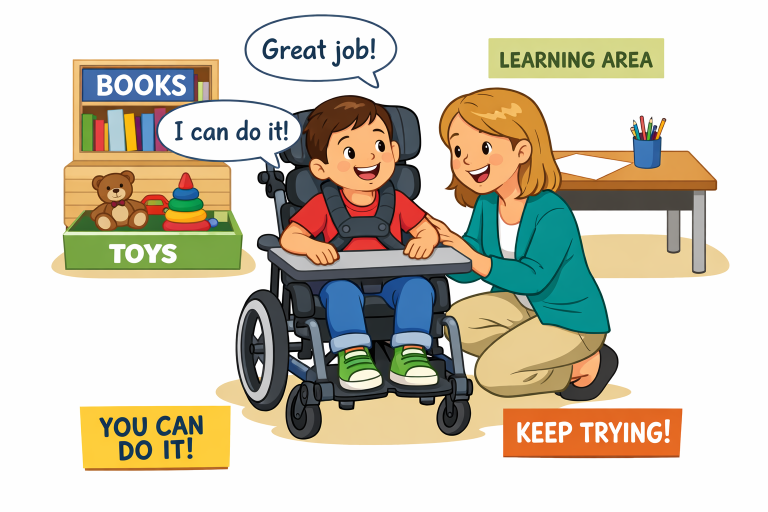
Therapists often work side-by-side with families and educators to select and fit these systems, making sure that each feature, from lateral supports to headrests, serves a specific purpose. This collaboration helps provide reliable posture and balance, which are fundamental in enabling activity participation and minimizing fatigue.
Benefits of Adaptive Seating
- Improved Postural Control: Adaptive seating offers the stability many children with cerebral palsy need to sit upright. This stability translates to less fatigue and better hand function, making tasks like writing and self-feeding more attainable.
- Increased Activity Participation:Children are more likely to take part in classroom lessons, play, and other social or recreational activities when positioned securely. The right support helps foster confidence and social engagement.
- Enhanced Comfort: Adjustable cushions and supports alleviate the discomfort and pressure points that can result from prolonged sitting in standard chairs. Comfort leads to longer periods of engagement and learning.
Research Supporting Adaptive Seating
Recent studies emphasize the life-changing potential of adaptive seating technology for young people with cerebral palsy. Research published in the Archives of Physical Medicine and Rehabilitation shows that children using adaptive seating often experience significant improvements in activity performance and satisfaction. The studies conclude that postural control is a key factor in a child’s ability to participate in structured activities and routine self-care.
Medical professionals and therapists cited in major publications, such as Mayo Clinic, recommend early and ongoing evaluation of seating and mobility equipment as children grow or their health circumstances change.
Considerations for Selecting Adaptive Seating
- Individual Needs: Start with a comprehensive assessment led by a healthcare professional. Consider the child’s muscle tone, mobility, and any associated conditions, such as seizures or sensory issues.
- Adjustability: Choose systems that offer adjustable features like seat depth, back height, and support positioning. This flexibility ensures continued support as the child’s body and needs change with time.
- Environment: Consider all settings where the child will use the seating, including school, home, and outdoors. Portability and compatibility with classroom desks or wheelchairs are key factors for many families.
Integrating Adaptive Seating into Daily Life
Introducing adaptive seating is often a collaborative process involving the child’s family, therapists, and educators. Customizing these systems for daily use ensures they fit seamlessly into routines, from mealtimes and lessons to playtime with peers. Routine check-ins and adjustments help keep everything working optimally and provide ongoing comfort and support as the child grows.
Teacher and caregiver training is also essential. Familiarity with the system means that everyone involved can help the child make the most of their seating option, boosting confidence and overall wellbeing.
Conclusion
Adaptive seating technology holds immense value for children with cerebral palsy, offering tailored support that can dramatically enhance posture, comfort, and independence. Through careful assessment, thoughtful selection, and collaborative integration into daily routines, these innovative systems empower children to participate more fully in life and reach their potential.