

Understanding Invisalign: Your Guide to the Process
March 17, 2026
How Adaptive Seating Technology Empowers Children With Cerebral Palsy
March 29, 2026
Key Takeaways
- Dental implants offer a durable and natural-looking solution for missing teeth.
- Advancements in technology have improved implant procedures, making them less invasive with faster recovery times.
- Various implant options are available to suit individual needs and preferences.
Introduction
Missing teeth can significantly affect your appearance, oral health, and self-confidence. Today, advancements in dental care mean that more people can restore their smiles in ways that are both functional and aesthetic. Dental implants have emerged as a leading solution for those seeking durability and a natural look, making tooth replacement more accessible and effective than ever before. For detailed information on the types of dental implant options available, exploring trusted dental implant resources is recommended. Modern dental implants are a transformative choice not only for aesthetics but for supporting oral health by preserving jawbone integrity and preventing adjacent teeth from shifting. They replicate the appearance and function of natural teeth, making maintenance easy and providing peace of mind.
Implant dentistry has evolved rapidly, with new materials and techniques making procedures less invasive and recovery periods shorter. Patients can now choose implant solutions tailored precisely to their needs and lifestyles. From single-tooth replacements to full-arch solutions, dental implants offer a versatility that traditional dentures and bridges often can’t match, resulting in a more comfortable, confident smile.
What Are Dental Implants?
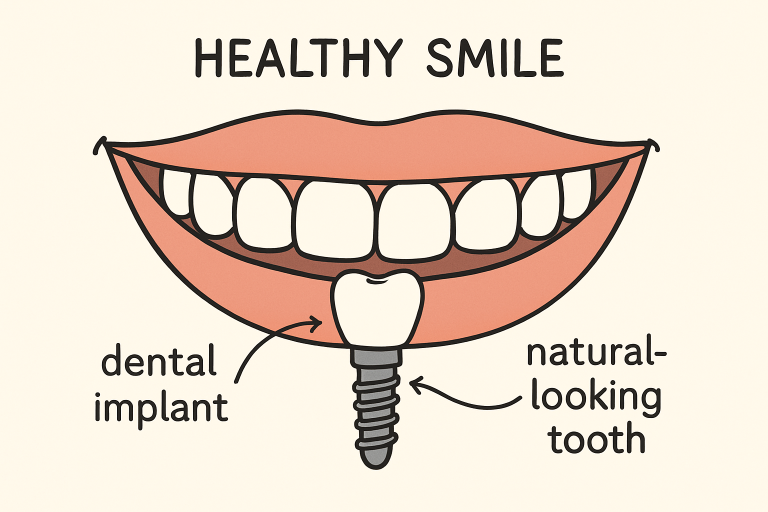
Dental implants are artificial tooth roots, most commonly made of biocompatible titanium, surgically inserted into the jawbone. Once in place, they act as sturdy anchors for replacement teeth, such as crowns, bridges, or dentures, which are designed to blend seamlessly with the surrounding natural teeth. The implant integrates with the jawbone in a process known as osseointegration, forming a strong, permanent foundation for replacement teeth. This solution is suitable for individuals with one or more missing teeth. Additionally, implants support facial structure and bite alignment, unlike dentures, which can sometimes slip or cause discomfort when eating or speaking.
Benefits of Dental Implants
- Natural Appearance: Dental implants closely mimic the look and feel of natural teeth, enhancing overall self-esteem and comfort.
- Improved Speech: Since implants are stabilized in the jaw, they eliminate slips and clicks typical of traditional dentures, leading to more confident, clear communication.
- Enhanced Comfort: Implants are integrated into your mouth, alleviating the soreness and irritation that sometimes accompany removable devices.
- Durability: With proper oral hygiene and routine dental visits, implants can last for decades, providing a long-term solution.
- Convenience: Implants remove the need for adhesives or nightly removal and cleaning, streamlining your daily oral care routine.
Types of Dental Implants
Dental implant solutions are adaptable to various dental conditions and patient needs. The most common types include:
- Endosteal Implants: These are placed directly into the jawbone and are ideal for most patients with sufficient bone density. They are the most widely used implant type due to their excellent stability.
- Subperiosteal Implants: Positioned under the gum tissue but on or above the jawbone, these implants are often used for patients with limited bone height or those who cannot tolerate bone grafting procedures.
- All-on-4®: This method supports an entire arch of teeth using only four strategically placed implants. All-on-4® is popular for its efficiency, often allowing patients to receive a new smile the same day as their procedure.
- Mini Dental Implants: Smaller in diameter, mini implants are ideal for stabilizing lower dentures where space or bone volume is limited. This approach offers a less invasive technique with rapid recovery.
The Implant Procedure
Dental implant procedures unfold in several structured phases. The journey begins with a comprehensive consultation, during which the dental professional assesses your overall dental health and develops a tailored treatment plan. Diagnostic imaging, such as x-rays or CT scans, may be used to ensure optimal outcomes.
- Implant Placement: The titanium post is surgically inserted into the jawbone. This minimally invasive procedure is performed under local anesthesia or sedation, ensuring patient comfort.
- Healing Period: Over the next few months, the bone grows around the implant in a process called osseointegration. This stage is critical for the long-term stability of the implant.
- Abutment Placement: After integration, a small connector post (the abutment) is attached to the implant, serving as the base for the artificial tooth.
- Artificial Tooth Placement: Finally, a custom-made crown, bridge, or denture is secured to the abutment, restoring the appearance and function of natural teeth.
Throughout this process, your dental team will provide detailed aftercare instructions and schedule follow-up visits to monitor healing and progress. The American Academy of Periodontology offers additional resources on dental implant planning and success rates.
Caring for Your Implants
Like natural teeth, dental implants require daily care to ensure longevity and prevent complications. Brushing twice daily with a soft-bristled toothbrush, flossing with special implant-safe floss, and using an antiseptic mouthwash are essential habits. Regular check-ups and professional cleanings help catch any potential issues early and maintain gum health.
- Brush and floss around each implant daily to remove plaque and food particles.
- Visit your dentist at least twice a year for exams and professional cleanings.
- Avoid biting on extremely hard foods or objects to protect the integrity of your restorations.
Consistent oral hygiene deters infection, gum disease, and implant failure, preserving your investment for years.
Potential Risks and Considerations
Most dental implant procedures are completed successfully, but, as with any surgical treatment, there are certain risks to consider. Complications may include infection at the implant site, injury to nerves or surrounding structures, and, in rare cases, rejection of the implant by the jawbone. Implants placed in the upper jaw can occasionally lead to sinus complications if inserted too close to the sinus cavities. Patients who smoke, have untreated gum disease, or certain underlying health conditions might face higher complication rates. Open communication with your dental provider is key. Disclose your medical history, discuss existing conditions, and weigh the benefits versus risks of dental implants before proceeding. Personalized treatment planning ensures optimal safety and outcomes.
Conclusion
Dental implants have revolutionized the restoration of missing teeth, offering unmatched durability, functionality, and aesthetic appeal. Today’s patients benefit from advanced materials and digital planning, reducing discomfort and downtime. With proper care, implants are a wise investment in both smile and confidence, empowering individuals to enjoy life fully and without hesitation.